
Is this guide for you?
- You regularly wake up hot and flip to the cooler side of the pillow
- You sleep warm in general, even in a cool room
- Your current pillow feels damp or warm within an hour of lying down
- You use memory foam and find it uncomfortably warm
Jump to a section
Quick verdict
If you want the shortest route to the right choice, start here.
- Prioritise whether you want open-cell foam, shredded fill, or latex.
- Prioritise your sleep position — cooling options exist for all positions.
- Prioritise whether cover material matters to you (bamboo, Tencel, cotton).
Best options at a glance
These options cover the most common buying paths for cooling: strongest baseline fit, value route, and a balanced upgrade path.
#1 · Best overall fit for this profile
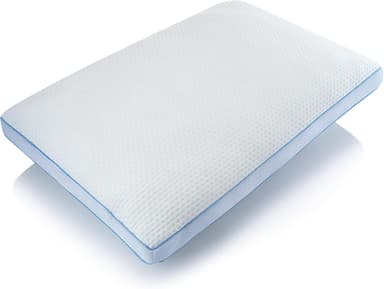
Martian Made Martian Made CoolBreeze Cooling Pillow
Best for side sleepers who want structured support.
Included for better heat control and overnight comfort consistency.
Approx. £20.99/item
#2 · Best value alternative
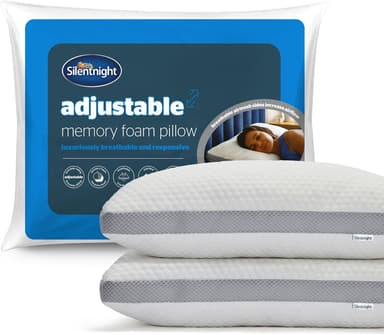
Silentnight Silentnight Adjustable Memory Foam Pillow
Best for combination sleepers who want structured support.
Included for better heat control and overnight comfort consistency.
Approx. £44.99/item
#3 · Best upgrade alternative
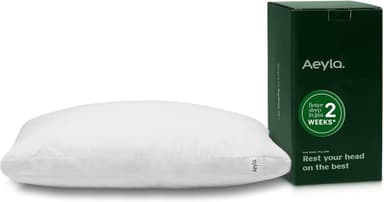
Aeyla Aeyla Dual Pillow Adjustable 2-in-1
Best for combination sleepers who want structured support.
Included for better heat control and overnight comfort consistency.
Approx. £58.74/item
How we ranked these options
We rank these options by fit for cooling, combining support profile, temperature behavior, and value for money. The goal is to improve sleep comfort and consistency first, then refine feel preferences.
- Whether you want open-cell foam, shredded fill, or latex
- Your sleep position — cooling options exist for all positions
- Whether cover material matters to you (bamboo, Tencel, cotton)
Quick Buy
Martian Made Martian Made CoolBreeze Cooling Pillow
Built for cooling gel comfort and better airflow through the night.
We use CoolBreeze here because this page is specifically about cooling and airflow.
Approx. £20.99/item
Read full guide for this topic →Buy CoolBreeze nowWant the full pillow overview?
If you want to compare the whole landscape before reading a specific guide, start with our central best pillow page.
Read: Best Pillow guide →How the matching quiz works
- Answer a few quick questions about how you sleep
- We match against pillows verified on UK Amazon, scoring on fit, temperature and budget
- Get a shortlist with reasons — not a single pushed product
Why pillows trap heat
The human head and neck generate a significant amount of heat during sleep. A pillow that traps this heat creates a warm microenvironment around the face, which prevents the body's natural core temperature drop that drives deep sleep. Solid memory foam is the most common culprit — it's a dense material with poor air circulation. Synthetic fills and low fill-power down compact into a similar barrier. The solution is a fill that allows air to move through it and a cover that actively wicks or disperses heat.
What actually makes a pillow cool
Open-cell foam
Standard solid memory foam uses a closed-cell structure that traps air (and heat). Open-cell memory foam has a more porous structure that allows air movement. It sleeps noticeably cooler than standard foam and is now the default in mid-to-premium memory foam pillows. Look for it explicitly mentioned in product descriptions.
Latex
Natural latex is one of the most breathable fill options. The pinhole structure common in latex pillows creates constant airflow through the fill. Latex also doesn't retain body heat the way foam does. It's more expensive than foam but genuinely cooler for hot sleepers.
Shredded fills
Whether shredded foam or shredded latex, loose fills allow more air movement than solid blocks. Shredded memory foam sleeps cooler than solid memory foam, though not as cool as latex. Hollow fibre is naturally breathable and cool, which is part of why it's popular in budget options for warm sleepers.
Phase-change and gel-infused covers
Phase-change material (PCM) in pillowcases absorbs heat as it transitions from solid to liquid state, creating a cooler initial feel. Gel-infused covers or foam toppers offer similar initial cooling. These are useful but temporary — once the material is saturated it no longer actively cools. They work better combined with a breathable fill than as a standalone fix.
Pillowcase materials
Bamboo-derived fabric (bamboo viscose) is widely marketed as cooling. It is softer and slightly more breathable than standard cotton but not dramatically cooler unless combined with a breathable fill. Tencel (lyocell) is similar. Both are better than polyester for warm sleepers. High-thread-count cotton creates a tight weave that can actually trap heat — 200–400 thread count percale cotton is more breathable than 600+ sateen.
Ready to skip the research?
Answer a few quick questions and we'll match you to pillows that fit your build, position and budget.
Start the 2-minute quizWhat our quiz looks at
- Whether you want open-cell foam, shredded fill, or latex
- Your sleep position — cooling options exist for all positions
- Whether cover material matters to you (bamboo, Tencel, cotton)
- Budget — effective cooling pillows from £30 to £120 in the UK
- Whether hypoallergenic is also required
Frequently asked questions
What is the coolest pillow fill?
Natural latex (especially pinhole latex) is the most consistently cool fill. It doesn't retain heat and allows constant airflow. Shredded foam and open-cell foam are the next best options. Solid standard memory foam is the warmest.
Do cooling pillows actually work?
Cooling pillows with genuinely breathable fills (latex, open-cell foam, hollow fibre) do stay measurably cooler than standard foam. Gel-infused covers provide initial cooling that fades over a few hours. For consistently hot sleepers, fill choice matters more than gel infusions.
Why does memory foam sleep hot?
Standard memory foam uses a closed-cell structure that restricts airflow and retains body heat. Open-cell memory foam improves this significantly. If you love the feel of memory foam but sleep warm, look specifically for open-cell foam or shredded memory foam.
What pillowcase keeps you coolest?
Percale cotton (200–400 thread count) or bamboo-derived fabric. Both are more breathable than polyester or high-thread-count sateen. Tencel (lyocell) is another good option for warm sleepers.
Last reviewed: 30 April 2026. We update this guide when our verified pillow catalogue changes.
Generated with GitHub Copilot.